August 31, 2026 · Michael Rodriguez

Reservation and Order-Bank Follow-Up for Franchise Dealers: A Diagnostic Guide
Why most franchise dealers lose order-bank customers before delivery, and what a structured follow-up system actually looks like.
The short answer
Definition
Order Bank: An order bank is the pool of customer-placed factory orders or reservations that a dealership holds pending vehicle production and delivery. These are distinct from floor-stock sales because the customer is buying a vehicle that does not yet exist on the lot, creating a fulfillment gap measured in weeks or months during which the relationship can deteriorate.
Why do order-bank customers cancel before delivery?
They cancel because silence reads as indifference. A customer who placed a factory order six weeks ago and has received zero proactive contact has had six weeks to visit a competitor, reconsider trim level, or decide the wait is not worth the anxiety. The dealership's CRM often shows the order as "sold" and removes it from active follow-up queues, which is precisely the operational error that creates attrition.
Note
The problem compounds with high-demand models. During the 2021-2023 chip shortage, many dealers discovered that customers with six-month wait times were being approached by competing stores offering similar vehicles at allocation. Dealers with no documented follow-up cadence lost a measurable share of those orders to competitors who simply called first.
What does a production-milestone follow-up cadence look like?
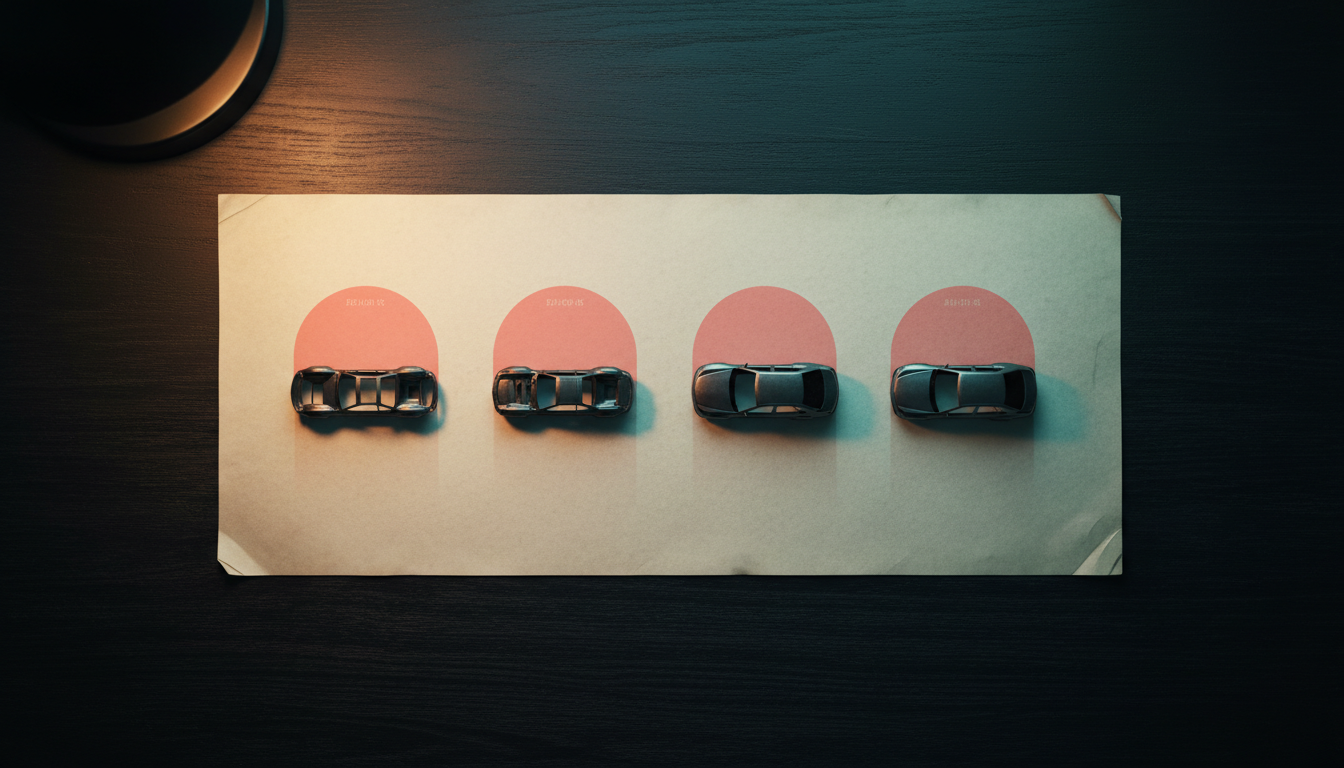
A milestone-triggered cadence anchors outreach to real production events rather than arbitrary calendar intervals. This matters because it gives the salesperson a legitimate reason to call, which increases answer rates and reduces the feeling of being "checked on" rather than informed.
Each touchpoint should do three things: confirm a fact the customer does not already know, invite a question, and verify that the customer's situation has not changed. That last step is the one most salespeople skip. A customer who placed an order in March may have changed jobs, had a new driver added to the household, or simply seen a competitive offer. A 90-second check-in call catches drift before it becomes a cancellation.
How should communication channels be sequenced?
Channel sequencing should follow the customer's stated preference, captured at point of order. If preference was not captured, default to text for status updates and phone for milestone calls. Email is appropriate for written confirmations of delivery appointments and finance paperwork pre-fill requests, but it performs poorly as the primary channel for mid-funnel retention.
The salesperson who placed the order should own every outbound touchpoint. Reassigning order-bank follow-up to a BDC agent the customer has never spoken to introduces friction at exactly the wrong moment.
Research published by Cox Automotive in their annual Dealership Action Planning guide consistently documents that customers who feel a personal connection to their salesperson show lower defection rates. The mechanism is straightforward: a named relationship creates social accountability on both sides.
What should a follow-up conversation actually cover?
Keep it short and structured. The goal is not a sales call; the vehicle is already sold. The goal is relationship maintenance and early detection of problems.
- Confirm the customer still has the same delivery address and preferred delivery time.
- Ask whether their financing situation has changed since the credit application.
- Remind them of the estimated delivery window and any documentation they should prepare.
- Invite questions about the vehicle, accessories, or the delivery-day experience.
- Note any response signals in the CRM with a dated entry.
That last point is operationally non-negotiable. If a follow-up call is not logged, it did not happen for management visibility purposes. Dealers who want to improve order-bank retention need a way to audit whether touchpoints are actually occurring, which requires disciplined CRM hygiene.
How do reservation deposits change the follow-up calculus?
Reservations, common for new model launches and EV nameplates, are lower-commitment signals than full factory orders. A reservation holder has expressed interest but may not have fully committed financing or trade-in plans. This means the follow-up cadence needs an earlier qualification layer.
Note
The National Automobile Dealers Association has noted in dealer training materials that the conversion gap between reservation and final purchase is meaningfully wide for vehicles with long lead times. The gap is not a product problem; it is a follow-up execution problem.
What role does AI-assisted outreach play in order-bank follow-up?
AI-assisted tools can handle the cadence mechanics: scheduling texts, flagging overdue touchpoints, and surfacing customers who have gone quiet. What they cannot replace is the salesperson's knowledge of context, which is why the technology should function as an alert and scheduling layer rather than a customer-facing replacement.
For dealers evaluating AI lead intelligence tools, the order bank is actually a strong use case because the dataset is small and well-defined. You know exactly who is in it, you have their contact information, and you have a clear sequence of production events to trigger against. See our lead intelligence overview for how structured triggers compare to generic follow-up automation.
For a broader assessment of where AI fits into franchise dealer operations without overpromising, our AI reality check lays out the distinction between automation that reduces friction and automation that replaces judgment.
What are the key operational conditions for this to work?
Three conditions need to be in place before any cadence delivers results:
- CRM status logic must keep ordered vehicles in active queues. A deal status change should never suppress follow-up tasks.
- Salespeople must have a documented touchpoint schedule at the time of order placement, not left to memory or good intentions.
- Management must review order-bank contact logs weekly, not only when a cancellation surfaces.
Without these three conditions, the cadence exists on paper but not in practice. If you want to audit your current state before building a new process, our diagnostic call is a structured way to surface the gaps.
If you are scoping a broader process audit across your sales funnel, our services overview covers where structured follow-up fits alongside lead handling and delivery experience improvements.
Michael Rodriguez
20 years in automotive retail, currently selling cars at the #1 volume Chevrolet dealer in the world. Michael builds and operates AI workflows on a real dealership floor, then translates what holds up for other operators. Used to diagnose systems, not sell software.
Want a clear-eyed read on where AI actually helps your store? Start with the twelve-question Reality Check, or talk to an operator.